
Korean Independent Fashion: What Should a Global Pop-Up Campaign Include?
Plan a Korean fashion pop-up around appointments, fit information and follow-up content, so a temporary space creates useful customer and buyer relationships.
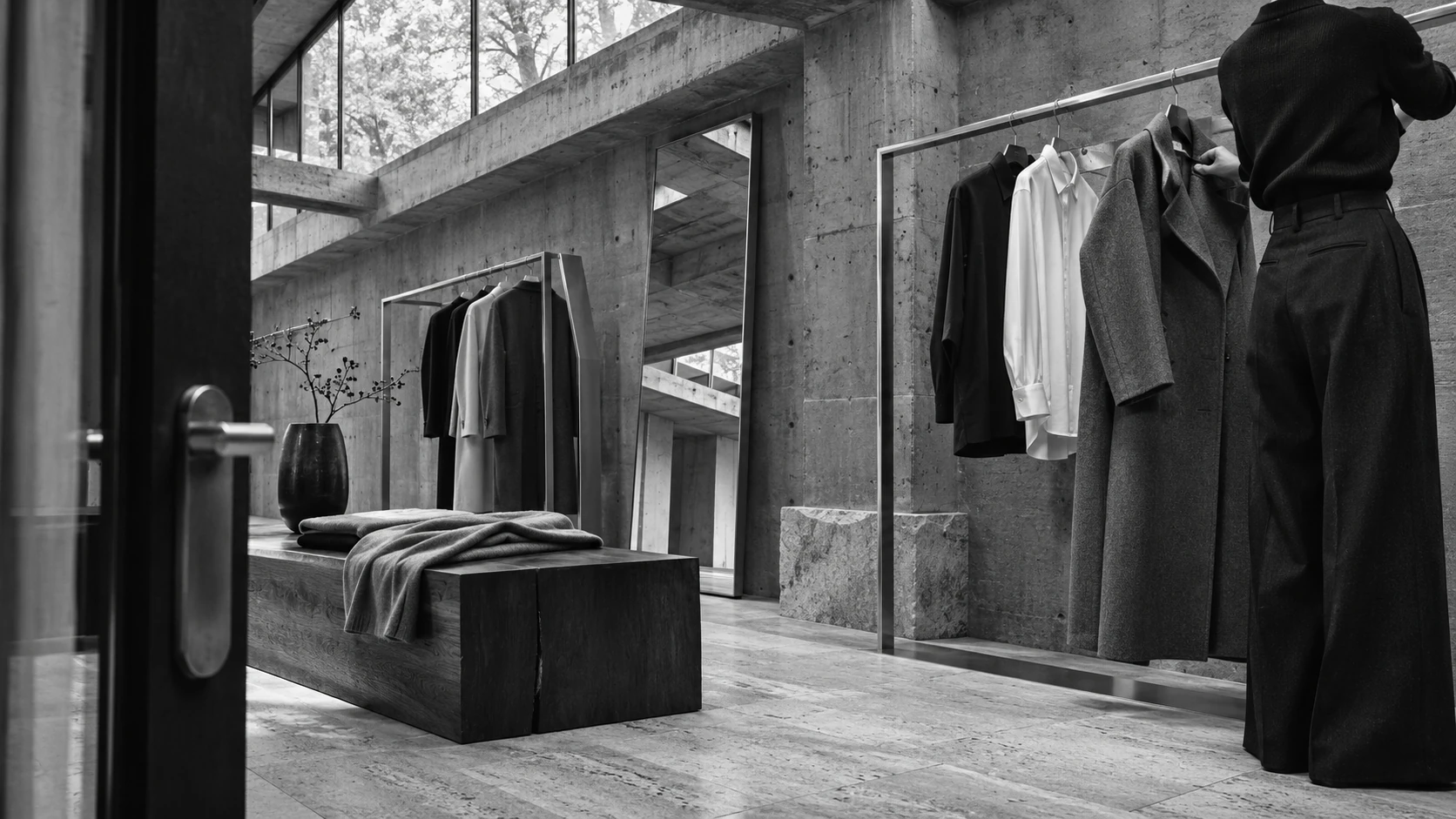
Choose the job of the pop-up before the venue
A photogenic address does not settle the business purpose. Your priority may be first-time fittings, direct sales, retailer appointments or learning which pieces people understand without explanation. Choose a main job and design the space around it. A rail arranged for a buyer reviewing the collection may not be the same arrangement that helps a first-time shopper find a size. Trying to optimize every outcome equally can make a small space difficult to use.
Seoul’s report on the 2026 F/W trade show distinguishes business consultations and overseas buyer participation. It is a useful reminder that fashion visibility and commercial conversations are separate activities. It does not establish demand for your particular label. Define your own event success in terms of the people and decisions the pop-up is meant to serve, then use the campaign to bring those people into the space.
A fashion pop-up that continues after closing
The physical event is temporary; the product explanation and next action should remain useful.
Build a fit story that survives beyond the event
A fashion film can communicate atmosphere while leaving practical questions unanswered. Capture the garment from the front, side and back, show how it moves and provide the measurements that matter to the design. Explain the intended fit in plain language. An oversized silhouette, adjustable waist or cropped proportion should be demonstrated rather than left for the viewer to infer from a single styled photograph.
Create a landing page before the event rather than waiting for the recap. Include dates, local time, address, access information, what visitors can experience and the appropriate action. Keep appointment information separate from general opening hours. After closing, update the page with the next buying or inquiry route. A person who discovers a creator’s post late should not arrive at an expired invitation with no explanation.
| Campaign moment | Useful content | Destination action |
|---|---|---|
| Before opening | A reason to visit and a fit preview | Save details or request a fitting |
| During the event | Real try-on, texture and assortment | Visit, purchase or book a buyer meeting |
| After closing | Item-level recap and answered questions | Find the item or contact the brand |
Give each creator a distinct assignment
A stylist can demonstrate three ways to wear a difficult piece. A local creator can explain why the event is worth a visit. A design-focused creator can introduce the construction. These contributions should not all become the same entrance shot and clothing-rack pan. Agree on the audience question each creator will answer and the products they will actually handle. Keep enough room for an honest personal response instead of scripting identical praise.
Plan filming access so it does not interrupt shoppers or fittings. Identify a quiet detail area, appropriate changing privacy and who can approve captured material. If the brand hopes to reuse creator content in paid media, discuss that scope in advance rather than assuming a social post includes it. A production plan protects the experience while giving the campaign enough useful detail to keep working after the event.
Keep buyer follow-up separate from consumer retargeting
A retailer needs an organized assortment, relevant commercial information and an accountable contact. A shopper needs the exact piece, fit details and a clear purchase route. Create two follow-up paths. Record whether a conversation was an introduction, a request for information or an actual order discussion. This prevents a crowded event photograph from being mistaken for evidence of wholesale success.
Prepare a simple on-site question log for the event team. Record the garment, the question and whether it was answered by the display, staff or a page. Review patterns after each day rather than waiting for a final report. If several visitors cannot identify an item from a creator post, improve the item naming and link before the next publishing slot.
Review which garments generated useful questions, which sizes visitors requested and which creator stories sent people to item pages. Keep the observations tied to the event’s location and assortment so that you do not generalize one weekend into a global demand forecast. Bring C3i3 Korea a defined collection and a concrete event goal. The marketing brief can then connect the invitation, visual story and post-event destination rather than ending with the opening-day post.
Practical questions
Do we need a famous creator to promote the pop-up?
Not necessarily. A local audience that can realistically visit may be more useful than a large distant following. Choose the creator according to the job: attendance, styling explanation or product discovery. Ask how the proposed content will help a specific person decide to act.
What if our clothing is not available online yet?
State the available purchase route clearly and give late visitors an honest inquiry or notification option. Do not imply immediate global delivery. The event page should tell people where the collection can actually be bought and what remains unavailable.
Which event number matters most?
It depends on the main objective. A fitting-led event might track completed fitting appointments and item inquiries; a wholesale event might track qualified buyer follow-ups. Keep attendance, content reach and commercial outcomes separate so one does not stand in for another.
Turn this opportunity into a working brief
Review the points below and download a brief for your team. Your notes stay in this browser.
Sources and editorial context
Current primary-source signals checked November 4, 2026. Campaign frameworks are C3i3 Korea editorial recommendations, not measured category growth, search demand or guaranteed outcomes.