
Korean Design Homeware: How Do You Make Materials and Craftsmanship Sell Online?
Help global shoppers understand Korean design homeware with scale photographs, honest material detail and care information that supports a confident purchase.
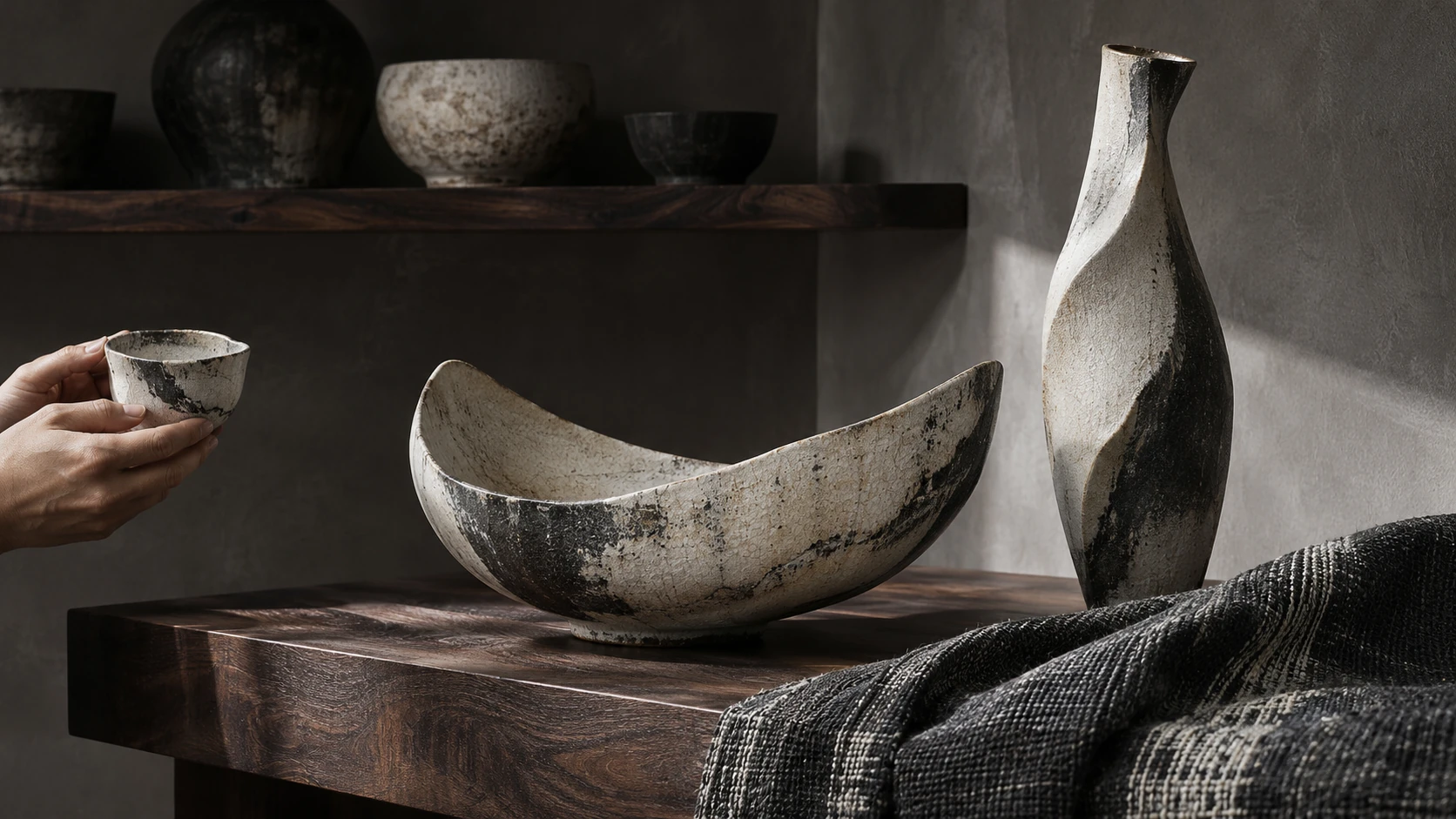
Translate the maker’s decision into a shopper’s benefit
A product description often begins with the process because that is what the maker knows best. The shopper may be asking a different question: will it fit on the shelf, feel comfortable in a hand or suit a room? Connect the two. Explain how a handle shape changes the grip or how a textile weight affects its drape. Use only properties the team can support. A poetic description is strongest when it sits beside specific, reliable information.
Design Korea’s 2026 introduction places business connections alongside design presentation. That context supports looking beyond beautiful catalog photographs toward useful buyer information. It does not tell us which homeware item will sell. For an independent Korean homeware brand, the editorial opportunity is to show the product decisions that a mass-market listing rarely explains, then test whether those details answer actual customer questions.
Make the invisible quality visible
Photograph the decision, not only the object.
Build a four-view evidence set for each object
The first view establishes the whole object against a quiet background. The second shows scale beside a hand or an everyday item with known dimensions. The third reveals the surface under light that makes its texture understandable. The fourth places it in use. Keep the featured item consistent across all four. A viewer should not have to guess whether a detail image belongs to a different size or finish.
Luxury-looking photography should not conceal information. If a finish reflects light, show both an attractive view and an informative angle. Avoid editing that changes the apparent color or removes a characteristic the customer will receive. Describe natural variation in ordinary language and illustrate it where practical. This creates a more grounded expectation than calling every irregularity unique while providing no reference.
| View | Question answered | Detail to include |
|---|---|---|
| Whole object | What exactly am I buying? | Matching size and finish name |
| Scale | Will it fit my space? | Dimensions and a familiar reference |
| Surface | What does the material look like? | Texture and expected variation |
| Use | How does it belong in daily life? | A realistic setting and handling |
Make care, handling and delivery part of the story
A beautiful vessel may create hesitation if the customer cannot find care instructions. Publish verified guidance from the maker instead of borrowing instructions from a similar-looking product. Be precise about dimensions and what is included. If you do not have evidence for a performance or use claim, omit it until the responsible team can verify it. Clear limits help the right customer make a good decision without overstating the object.
For international interest, show where you ship, the available delivery information and how customers can ask a question about an arrival issue. A packaging photograph can explain how a fragile object is prepared, but it should not imply that damage is impossible. Retail buyers may need carton and assortment information separately. Keep the consumer page readable while providing a business route for the more detailed conversation.
Choose creators who can notice the design
The strongest collaborator is not always the person with the most polished room. Look for someone who can explain proportion, use and material in a setting that fits your product. A maker, host, interior stylist or design educator may each answer a different question. Give them verified information and let their observation remain specific. “Beautiful” repeated in every scene tells a shopper much less than one thoughtful demonstration.
Ask someone outside the studio to review the page before launch. Give them a practical task: decide whether the object fits a particular shelf or whether it is suitable as a gift. Observe where they hesitate. This small editorial check can reveal missing dimensions, unclear contents or a photograph that is attractive but does not explain the product.
Capture the questions that arise in a creator’s explanation and turn them into a concise product guide. Link the guide to the exact object and the relevant material or care article rather than generating many near-identical product stories. C3i3 Korea welcomes introductions from Korean makers and design brands with a clear point of difference. Share the object, its production details and the ownership question you most want a global customer to understand.
Practical questions
Should every product photograph be artistic?
No. Use artistic images to establish a point of view, then provide straightforward views that explain size, finish and use. The customer should be able to make a practical decision without interpreting a mood image. Distinct roles make the photography more useful.
Can we market craftsmanship without a long brand history?
Yes. Show current design decisions and verified making details. Explain what the team actually does rather than borrowing heritage language. A specific, visible choice can be more persuasive than an unsupported claim about tradition, rarity or exceptional quality.
What belongs on the first international homeware page?
Include the object’s purpose, accurate dimensions, material information, verified care instructions, contents and the available purchase or inquiry route. Add photographs that resolve the largest uncertainty. A concise page with complete essentials is more useful than a long origin story with missing specifications.
Turn this opportunity into a working brief
Review the points below and download a brief for your team. Your notes stay in this browser.
Sources and editorial context
Current primary-source signals checked November 4, 2026. Campaign frameworks are C3i3 Korea editorial recommendations, not measured category growth, search demand or guaranteed outcomes.