
Korean Character Goods: How Can Original IP Brands Build Creator-Led Demand?
Build demand for original Korean character goods with recurring stories, creator fit and a clear collection page, without borrowing another fandom’s identity.
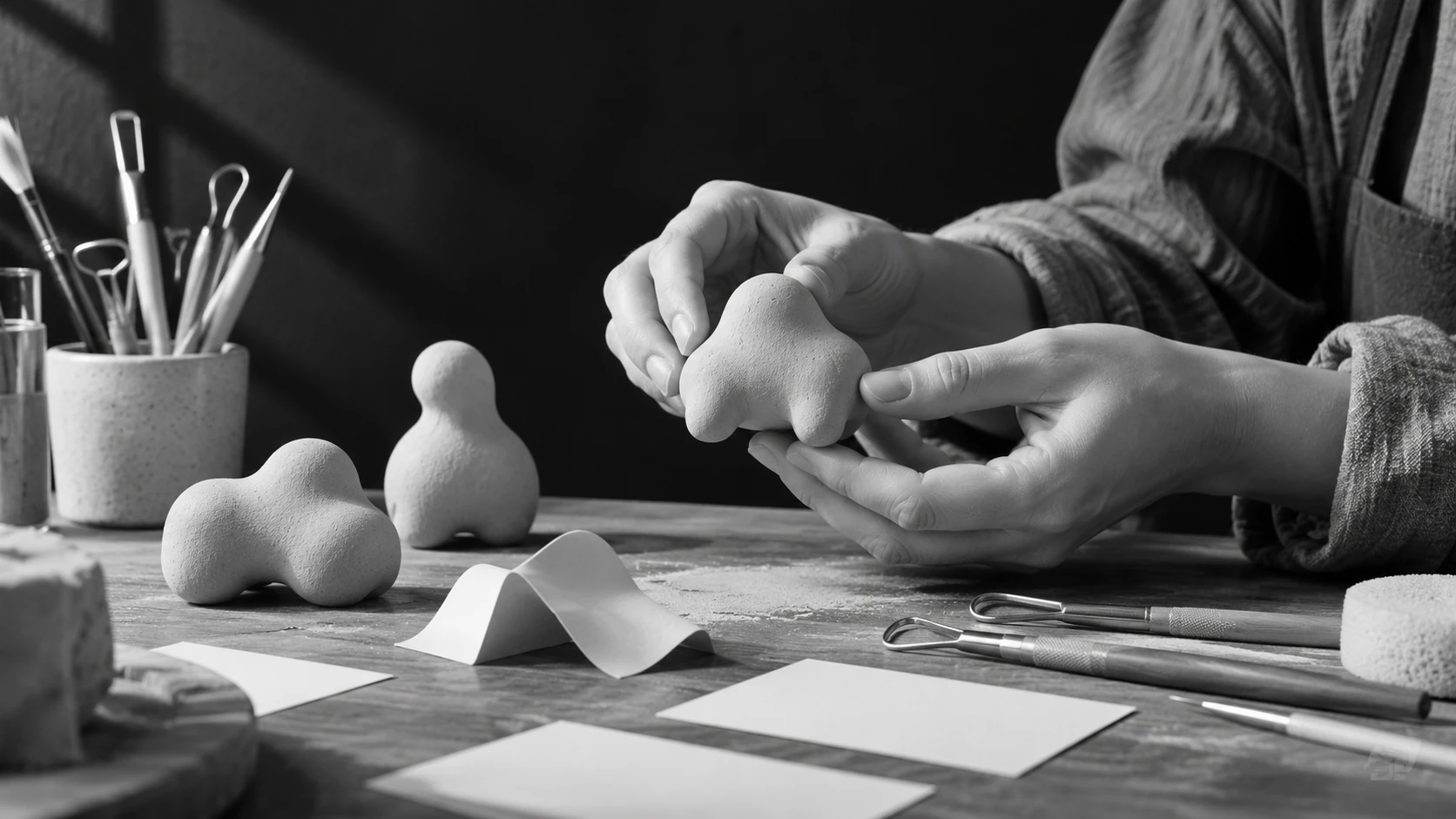
Define the feeling that makes the character memorable
An original character does not arrive with the audience understanding enjoyed by a famous entertainment property. Start with a recognizable feeling such as a tiny achievement, a quiet morning or a clumsy attempt at a new hobby. Give the character a repeatable response to that situation. This is not a demand for a complicated fictional universe. It is a creative constraint that helps a viewer recognize the same personality across a keyring, sticker, short video and shop display.
Prepare a one-page character brief for collaborators: personality, visual features, approved names, situations that fit and expressions that change the meaning. Include a few examples of what the character would and would not do. Localization should preserve the feeling while making the situation understandable. A joke that depends entirely on a Korean phrase may need a different scene rather than a literal translated caption.
The original character demand loop
Build recognition across stories before expanding into unrelated merchandise.
Select a creator role instead of renting a generic audience
A journaling creator can show how a character becomes part of a weekly page. A desk-setup creator can place it beside practical objects. An animation creator might help viewers understand its personality. These are different assignments. Choose the role that solves your current awareness problem and agree on whether the creator is introducing, demonstrating or co-creating. Do not confuse a product-placement fee with permission to redesign the character.
KOCCA’s character business resource list includes current material on fandom, localization and overseas partners. That is a useful research route for brand teams, not a substitute for checking the rights to their own work. Before publishing a collaboration, identify who can approve the artwork, adaptations, campaign territories and reuse. Keep those approvals with the brief so that a successful post does not create confusion when it becomes an advertisement or retailer asset.
| Creator context | Useful assignment | Signal to inspect |
|---|---|---|
| Journaling | Use one character across a real page | Questions about the collection and repeat use |
| Desk setup | Show size beside familiar objects | Placement and material questions |
| Short storytelling | Repeat the same personality in a new situation | Recognition of the character’s behavior |
Design a collection page that answers the next question
After a creator introduction, viewers may not know the brand name or which item appeared in the video. Use the same character name, product photograph and edition information on the destination page. Show what is included, the actual dimensions and whether items are sold individually or as a set. If a collection has variations, explain the selection method clearly. Surprise should be a deliberate product feature, not an accidental result of unclear information.
Separate consumer shopping from partnership inquiries. Retail buyers need a different path to assortment details, order conditions and an appropriate contact. Fans need a simple next story or collection update. An original IP brand can serve both audiences without putting a wholesale form in the middle of every product page. Use a visible business link and a consistent collection structure so each visitor can continue without guessing.
Measure attachment after the initial reveal
A launch giveaway can produce reactions from people who want a prize rather than the character. Keep those results separate from ordinary creator posts. Look for people naming the character, requesting another situation or returning for a different item. These observations do not automatically prove a business model, but they are more useful creative feedback than treating every comment as equal evidence of fandom. Record the context behind each signal.
Build a short editorial series around one recognizable situation before expanding the product range. Ask which scene people remembered, which item they understood and what prevented a purchase. Use those answers to commission the next story. C3i3 Korea can discuss a brief that connects an original character, a suitable creator context and a global product introduction. Begin with your approved artwork and the feeling you want people to recognize.
Practical questions
Does our character need a large existing fandom?
No. A small original character can start with a clear emotional idea and a repeatable format. The first campaign should test whether people understand and remember that idea. Do not use a famous property’s audience as proof that your unrelated character has demand.
Should we use animation or real product videos first?
Choose the uncertainty you need to remove. Animation can introduce personality; a product video can explain size, finish and everyday use. A short sequence combining both may be useful, but each shot should have a purpose rather than adding production for its own sake.
What should an overseas retailer receive?
Provide an approved brand introduction, a clearly organized assortment, product specifications and a business contact. Keep commercial conditions in an appropriate buyer document. A social-media compilation can show the story, but it should not be the only source of basic product information.
Turn this opportunity into a working brief
Review the points below and download a brief for your team. Your notes stay in this browser.
Sources and editorial context
Current primary-source signals checked November 4, 2026. Campaign frameworks are C3i3 Korea editorial recommendations, not measured category growth, search demand or guaranteed outcomes.