
Korean Fermented Products: How Do You Market the Ritual Without Overclaiming?
Explain Korean fermented foods through flavor, preparation and everyday use while keeping product categories, evidence and global campaign claims distinct.
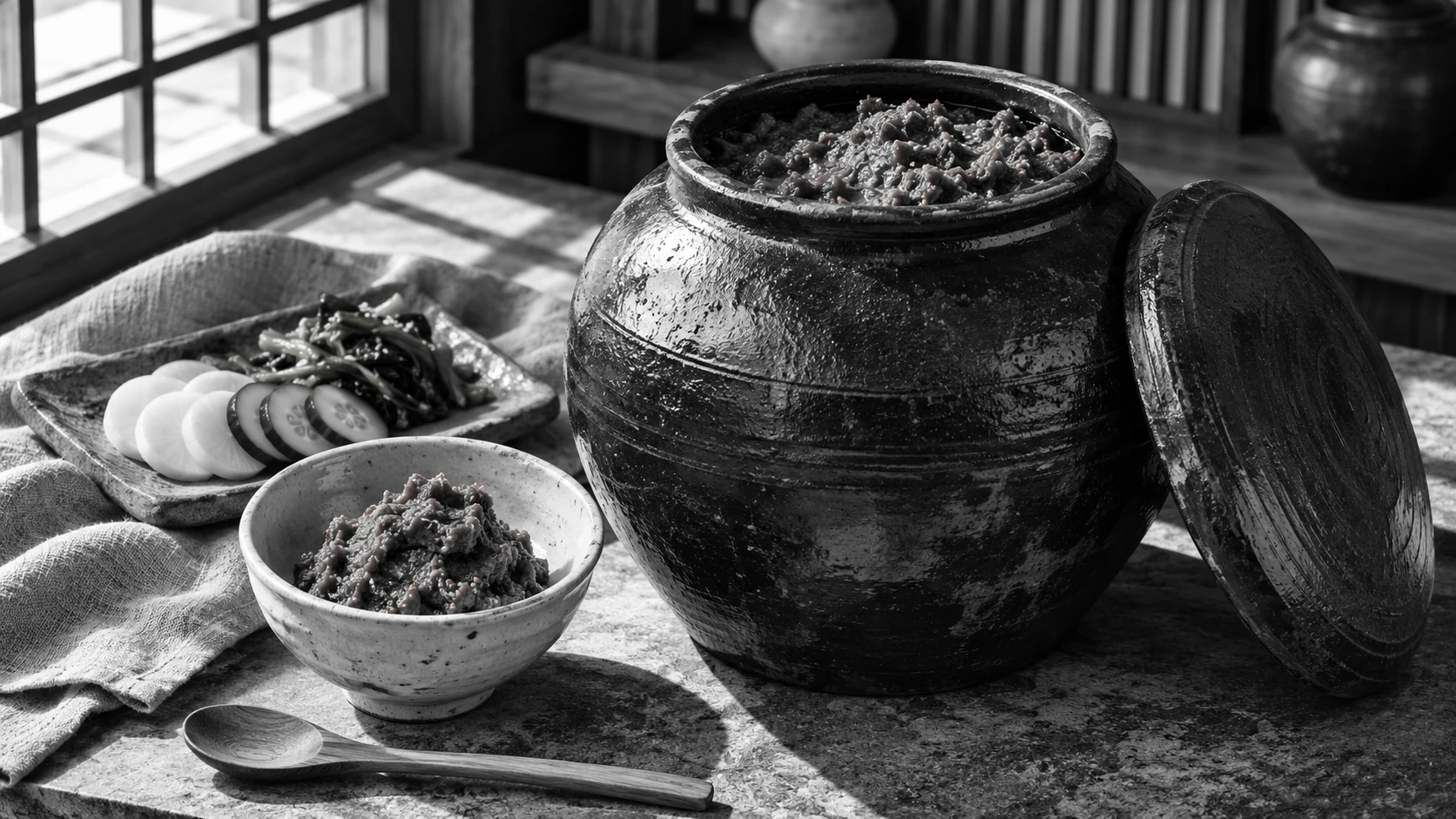
Lead with taste and use, not a borrowed wellness claim
A fermented drink, a cooking paste and a shelf-stable snack ask for different kinds of explanation. If every campaign begins with a broad health promise, those differences disappear. Begin with the sensory and culinary decisions: tart or mild, concentrated or ready to serve, a small addition or the center of a meal. These are questions a curious customer can answer through a demonstration.
Korean context becomes useful when it clarifies a familiar choice. Explain when the product is usually served, how a household might portion it or which cooking step it changes. Avoid implying that every Korean person follows the same ritual. A manufacturer’s particular method is more informative than an invented national tradition. Where provenance matters, identify the actual region, maker or process only when the brand can support that detail.
A creator brief should include words the brand can explain plainly. If a term requires three paragraphs of scientific interpretation, it may not belong in a short caption. Use the fuller product page for necessary technical context and keep the opening story understandable.
A clear story from jar to table
Make the unfamiliar easy to use before asking the audience to believe a bigger promise.
Clarify the product category before translating benefits
Do not assume that a domestic category name maps neatly to the destination market. Confirm the actual product classification with the appropriate qualified reviewer before a team translates packaging, a creator script or an affiliate page. A creator should not be left to decide whether an ingredient’s reputation permits a claim about the finished product.
The MFDS food labeling information distinguishes health functional food labeling and recognized functions in Korea. That does not grant permission to reuse the same claim internationally. An ordinary fermented food should not be presented as a health functional food merely because the campaign uses a wellness theme. Keep the reviewed product classification alongside the approved wording, rather than in a separate file nobody on the production team sees.
Prepare a short language map: the Korean term, a plain explanation, the destination-language wording and the exact source of approval. If a translation becomes stronger than the original, return it for review. Words that sound like harmless lifestyle language to one team may carry a different implication for a new audience.
Design a sensory demonstration that people can repeat
Film an actual preparation from opening to serving. Show the amount used, any dilution, the utensils and the finished portion. A jump cut from a sealed jar to a styled meal may be attractive, but it conceals the very information an unfamiliar customer needs. If the product needs particular storage or handling, use the manufacturer’s current instructions rather than improvising for the scene.
Build variations around genuine use cases: a quick weekday meal, a small shared tasting or a travel-friendly format where appropriate. Do not make every variation a separate health claim. Invite creators to describe taste honestly and acknowledge preferences. A product can be distinctive without being universally liked, and a specific flavor explanation can attract a better-matched audience than broad enthusiasm.
Review the package and the page together. Serving suggestions should not obscure what is actually included in the purchase. Make imported availability, package size and any relevant ingredient information easy to find before someone clicks through a partner’s recommendation.
| Content detail | Helpful explanation | Review question |
|---|---|---|
| Flavor | Specific sensory vocabulary | Is this actual experience? |
| Preparation | Visible portion and sequence | Does it match instructions? |
| Fermentation | Verified production context | Are benefits overstated? |
| Purchase | Actual pack and destination | Can this audience order? |
Turn curiosity into product and retail conversations
A culinary audience may ask where to buy a small pack, while a retail buyer wants shelf format, supply information and a clear positioning story. Give those visitors different next actions. A consumer landing page and a manufacturer partnership inquiry can share accurate facts without asking everyone to complete the same long form.
Build the campaign report around the questions the content answered. Track preparation questions, taste objections, relevant product-page visits and confirmed commercial inquiries where available. Do not label every interaction as intent to purchase. A saved recipe may show interest in the idea rather than readiness to order an imported product.
For C3i3 Korea, the editorial opportunity is to connect product discovery with clear explanation. Manufacturers can introduce a differentiated product and its actual evidence. Creators can propose a credible food or routine story. The resulting content library should make those introductions easier, not bury them under a generic promise that all fermentation is a wellness breakthrough.
Practical questions
Can a fermented food be called probiotic?
Do not infer that claim from fermentation alone. Have the actual product, wording, evidence and destination requirements reviewed by a qualified specialist. A production method is not a shortcut to a specific function claim. The marketing team should work from the approved product facts.
Do creators need a scripted taste reaction?
No. Provide accurate product information and preparation guidance, then let the creator describe an authentic experience. You can review factual errors without requiring an invented reaction. Personal taste differences may help viewers understand whether the product suits them.
What should a manufacturer send before a campaign?
Send the current product classification, ingredient and packaging information, preparation and storage instructions, available markets and reviewed claim wording. Include the actual retail version for filming. A concept sample that differs from the sale item can create avoidable confusion.
Turn this opportunity into a working brief
Review the points below and download a brief for your team. Your notes stay in this browser.
Sources and editorial context
MFDS labeling information informs the Korean product-category distinction. Taste, preparation and retail storytelling recommendations are original analysis.