
Korean Home Wellness Devices: Which Demonstrations Help Shoppers Understand the Product?
Turn a Korean home wellness device into a clear product story with useful setup footage, visible controls, practical limitations and a market-ready landing page.
Start with the job the device is intended to do
The phrase home wellness device can describe very different objects. Some are simple lifestyle accessories, while others may have product-specific regulatory requirements. Do not let an attractive campaign label decide the actual classification. Ask the manufacturer for the intended use, current instructions and the destination-market review that applies to the exact version being filmed.
The FDA’s January 2026 general wellness guidance addresses a defined US policy for low-risk products. It is not a blanket approval for Korean devices or global advertising. That distinction matters when a creative team tries to turn a routine demonstration into a claim about diagnosis, treatment or an individual’s health status. Keep the content brief within the reviewed use and send new claims back for qualified review.
For the audience, explain the ordinary job in plain language. Show where the device lives, how much space it needs and what a person does before using it. A clear explanation can create confidence without making the product sound more medical or more powerful than it is.
The demonstration clarity ladder
Show what the camera can establish, and route performance claims to the evidence review.
Film the friction a studio edit usually hides
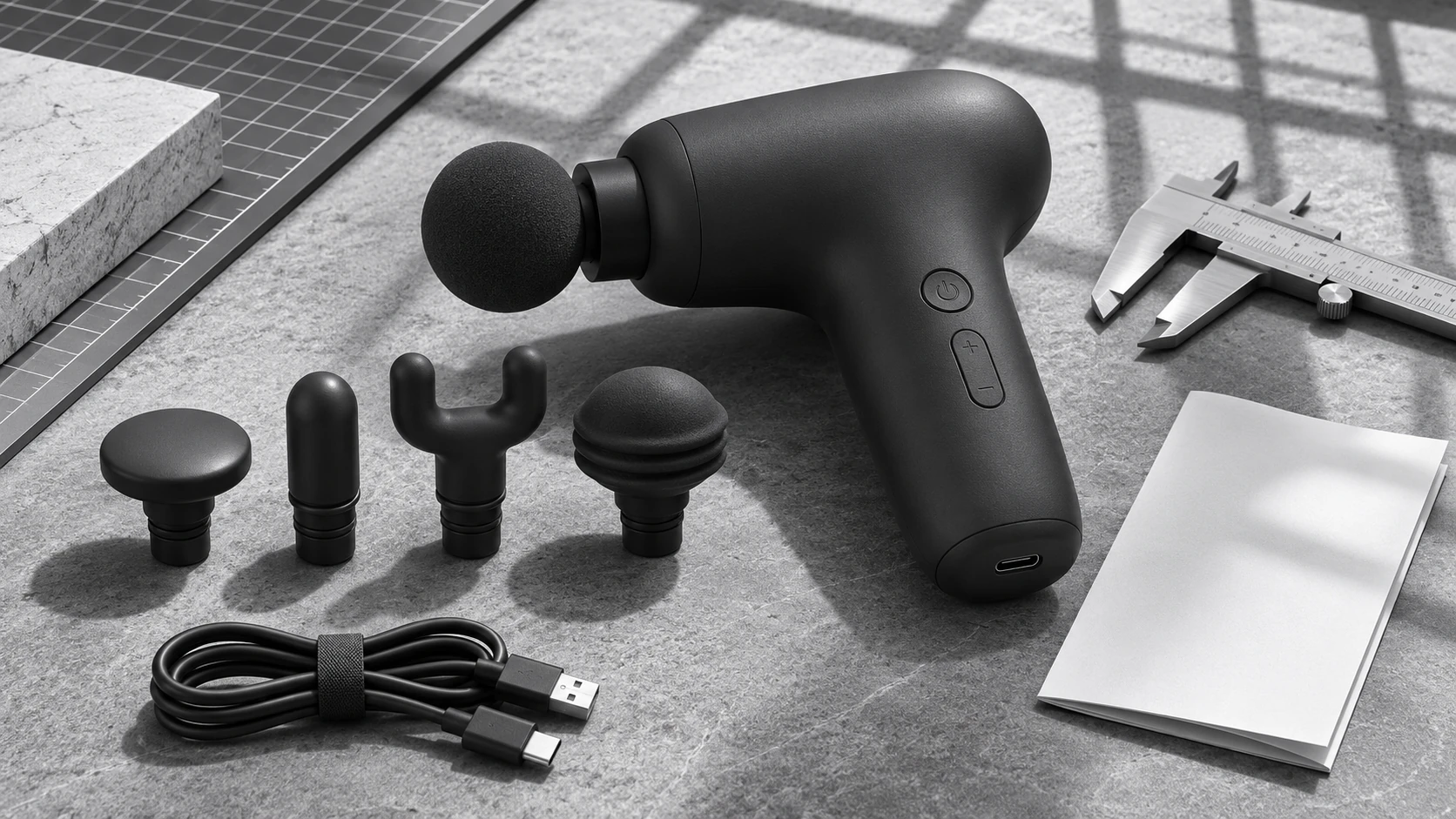
A beautiful rotating product shot does not tell a buyer whether they can set up the item in a small apartment. Film opening, assembly where applicable, power or charging, placement and the first approved operation. Keep the camera close enough to show controls, but include a wider scene for scale. A hand reaching awkwardly across the device may reveal a useful usability question rather than a reason to cut the shot.
Record a clean sequence before creating a short edit. The longer source gives the team a reliable reference for later versions and helps prevent edits that reverse the order of operations. Do not replace a real indicator with a dramatic animation that makes the output look more precise than it is. If a screen is shown, confirm that it represents the actual product rather than a design concept.
Care and storage also belong in the story. Ask what happens after the demonstration ends. Where do accessories go? Which parts are cleaned according to the instructions? What remains connected? Those answers can become separate useful clips rather than cluttering the introduction.
Create a question-led asset plan
Use the sales and support team’s recurring questions to define the shot list. Keep each asset tied to one question so that a creator, retailer or product page can use it in the right place. A setup clip should not finish with an unrelated transformation claim simply because the campaign needs a stronger ending.
The table is a planning framework for content, not a certification checklist. Check specifications and instructions for the actual destination version before filming. An adapter, charging method or language setting shown in one market may not represent the version supplied elsewhere. Label genuine differences instead of making the viewer discover them after purchase.
For a global campaign, leave room in the composition for localized captions without covering controls or required information. Keep a text-free master, an approved transcript and a record of the product version. That gives translation and paid-media teams a usable source rather than forcing every new market to rebuild the explanation.
| Question | Asset | Required reference |
|---|---|---|
| Will it fit? | Scale and placement scene | Dimensions and clearance |
| How do I start? | Uninterrupted setup | Current instructions |
| What do controls do? | Close control demonstration | Actual product version |
| What happens afterward? | Care and storage clip | Approved care guidance |
Use the landing page to finish the explanation
The video should hand off to an equally clear page. Include the exact version, intended use, practical specifications, instructions and the markets in which the product can be supplied. A retailer inquiry should lead to the appropriate business information, while a consumer should see a purchase route that actually works for their location. Do not send both groups into a generic agency contact form when a product-specific next step is available.
Review what happens when a customer asks an unexpected question. A useful campaign includes a route for correcting captions, updating the page and briefing creators again when information changes. Treat recurring confusion as content feedback. If people mistake a comfort feature for a clinical measurement, the explanation may need revision even if the production looks polished.
Evaluate the campaign with product understanding and relevant action in mind. Track which demonstrations people use, what qualified buyers ask and where the journey stops. A view count does not establish device performance. The commercial value lies in making the right audience better informed and helping them take a suitable next step.
Practical questions
Can an animation show what happens inside the body?
Only with a careful review of the actual claim, product evidence and destination requirements. An attractive animation can communicate a stronger effect than the narration states. If it is only a conceptual illustration, make that clear and do not present it as measured product performance.
Should one demonstration cover all markets?
A shared visual master can help, but product versions, instructions, claims and language may differ. Confirm the destination version before adapting the content. Preserve a version record so a caption or product page does not describe a different model.
What should a creator receive before filming?
Provide the exact sale version, current instructions, approved facts, practical limitations, the intended audience and a clear review contact. Include the agreed disclosure and usage-rights requirements. Let the creator flag confusing steps before the final shoot.
Turn this opportunity into a working brief
Review the points below and download a brief for your team. Your notes stay in this browser.
Sources and editorial context
FDA January 2026 guidance is cited only for the defined US general-wellness policy. The filming sequence and asset plan are original creative recommendations.