
Korean Beauty Devices: What Should a Creator Demonstration Show Before Launch?
Plan a Korean beauty device demonstration that explains setup, handling and ownership questions, with clear creative boundaries and useful launch assets.
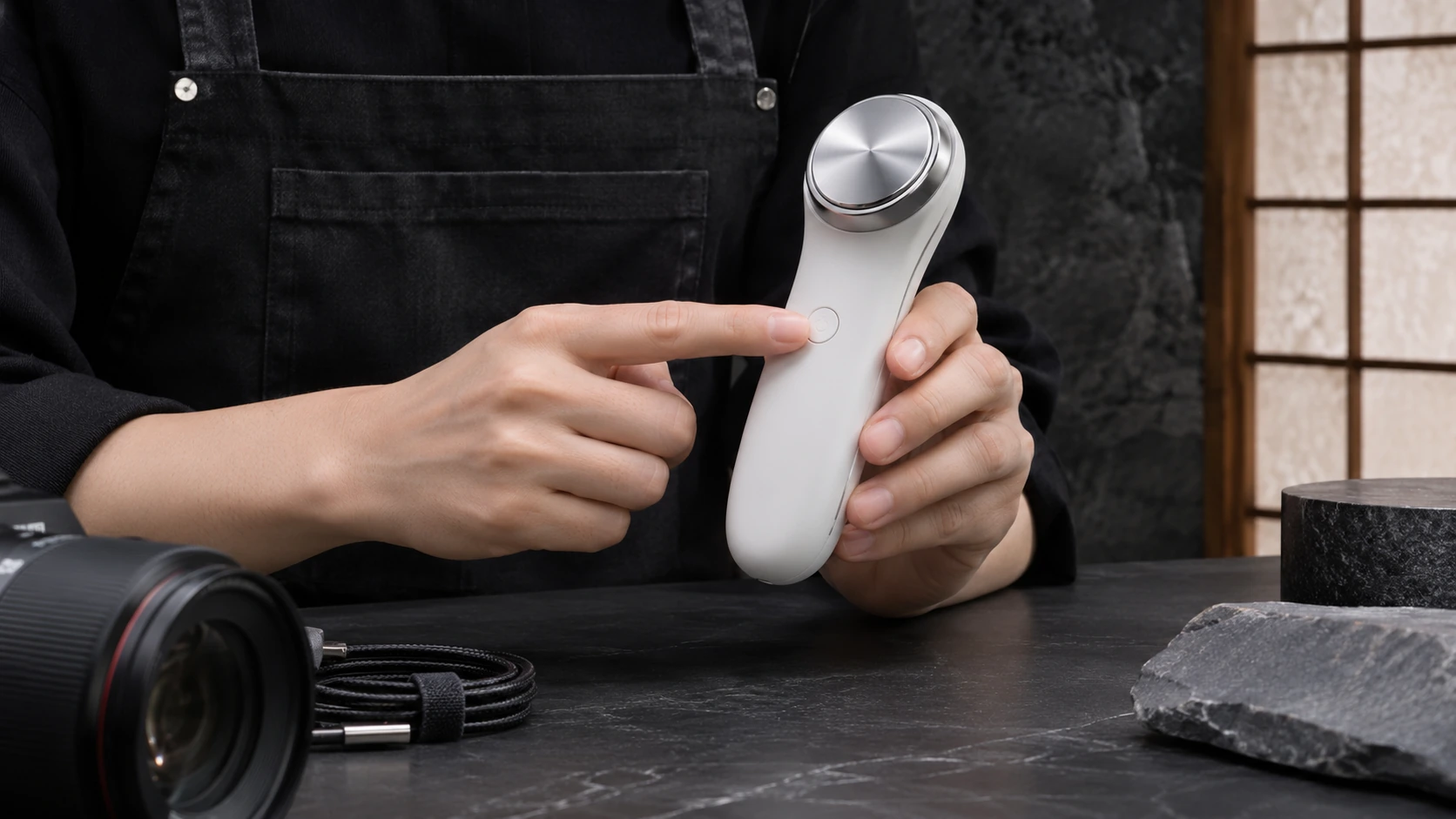
Start with the exact model and a buyer’s uncertainty
Beauty device content can look sophisticated while leaving the shopper unsure what is being offered. Name the model in the supporting product information, distinguish included accessories from optional ones and show scale. A family of similar-looking devices should not be presented as interchangeable. The creative brief needs the actual model’s approved instructions and intended market, rather than a competitor video that happens to be popular.
Write down the unanswered ownership questions before choosing a visual concept. Does the shopper understand setup, charging, controls, storage and cleaning information supplied by the manufacturer? Can they find the relevant instructions in a language they understand? Which questions should be handled by qualified product support instead of a creator? These decisions make the demonstration more useful. This article proposes a communication framework, not a recommendation to use any device or a claim that a device category will deliver a particular result. The product team must establish what can accurately be shown and said.
Four layers of an understandable device demonstration
Showing how an item is handled does not establish the performance claims made about it.
Separate handling proof from performance proof
A close-up can establish that a control is visible or that an accessory attaches in a certain way. It cannot, by itself, establish the physiological effect of a technology. Keep those two kinds of proof separate in the storyboard. A creator’s confidence and a clean studio do not replace the evidence needed for a performance claim. Avoid using a scientific-looking graphic simply to make an unsupported message feel authoritative.
The FDA’s cosmetic claim guidance shows why intended claims matter to product classification in the United States; a global campaign still needs review for each destination and device. Do not turn this into a generic statement that a beauty device is approved everywhere or that one clearance covers every model. For production, maintain a claim log with the wording, model, market and reviewer. If a feature is not confirmed in the supplied material, leave it out. The filmmaker’s job is to clarify verified information, not to improvise a technical specification.
| Demonstration layer | What it can clarify | Needed owner |
|---|---|---|
| Product identity | Model, scale and included parts | Product team |
| Handling | Approved setup and controls | Instruction reviewer |
| Experience | A creator’s genuine observation | Creator and editor |
| Performance claim | Only what evidence supports | Qualified claim reviewer |
Make the demonstration visually honest and reusable
Prepare wide, medium and detail shots that can be edited into different explanations without changing the story. A tabletop sequence can show the contents of the box and preparation; a hand-level view can explain a control; a close-up can identify the part being discussed. Not every device video needs a face or a before-and-after montage. Where a person is necessary, protect the clarity of the instruction rather than adding beauty effects that distract from it.
The UK ASA/CAP beauty guidance warns against exaggerated impressions from production techniques. Review lighting, retouching, filters and edit timing alongside spoken claims. Confirm whether the brand may use the creator’s footage on its product page, in paid advertising or through a retailer, and for how long. These are different uses and should be agreed rather than assumed. Save a clean master and a record of the approved version. Future localized edits should not silently remove context, disclosures or limitations that helped make the original message accurate.
Connect interest to ownership information
A polished demonstration can create questions that the landing page must answer. Link the video to the same model and market version, not a general homepage that makes the visitor search again. Make included items, relevant instructions and the support route easy to locate. Distinguish confirmed shipping destinations from markets under consideration. If availability changes, update the page and the campaign destination together.
Review the questions that arrive after people watch. Repeated uncertainty about basic setup suggests the demonstration needs revision. Questions about warranty or accessories may belong in the ownership section. Product-specific safety or suitability questions should reach the appropriate product support channel instead of being answered casually in a promotional comment. Measure whether viewers reach useful information, while keeping that action separate from proof of efficacy or sales attribution. A device campaign becomes stronger when each asset leaves the buyer less confused and the team better prepared to respond.
Practical questions
Does every beauty device campaign need a transformation video?
No. Many buyer questions concern setup, handling and ownership. A clear factual demonstration can be more useful than a transformation concept, especially when the latter could imply an unsupported result.
Can one approved script be used in every country?
Not automatically. Confirm the model, intended market, claims and local requirements before adapting it. A translation can change meaning, and a product or claim permitted in one destination may need different handling elsewhere.
What should we approve before a creator shoot?
Approve the actual model, instructions, storyboard, claim boundaries and planned uses of the footage. Identify the person who handles technical questions so the creator is not asked to improvise.
Turn this opportunity into a working brief
Review the points below and download a brief for your team. Your notes stay in this browser.
Sources and editorial context
Reviewed November 4, 2026. Dated primary sources support limited context. Campaign frameworks and niche recommendations are original editorial analysis, not measured keyword popularity or guaranteed performance.