
K-Beauty Product Seeding: How Do You Turn Gifted Samples into Useful Creator Feedback?
Plan K-beauty product seeding with creator fit, a clear invitation and useful feedback questions, while keeping gifts separate from paid content and usage rights.
Decide whether you are learning or commissioning
A product introduction, a feedback trial and a paid campaign are different arrangements. A brand may send a sample for a creator to consider without guaranteeing coverage. It may agree a private feedback session. Or it may commission specified content for a fee. When these are mixed together, the creator may feel pressured and the brand may wait for a deliverable that was never agreed. Put the actual invitation into one clear sentence before building a large recipient list.
For an independent Korean beauty manufacturer, a small learning-focused group can answer practical questions about the pack, routine and explanation. That is different from claiming the group represents a whole market. Choose participants whose existing work makes their feedback useful: a careful product demonstrator, someone who explains a relevant routine or a creator who serves the intended language audience. Define what the brand will do with the answers. If nothing will change after feedback, the exercise is probably an awareness request and should be described honestly as such.
A seeding program that leaves useful learning
Delivery, feedback and paid content are different milestones. Keep their records separate.
Send a compact invitation with enough information to choose
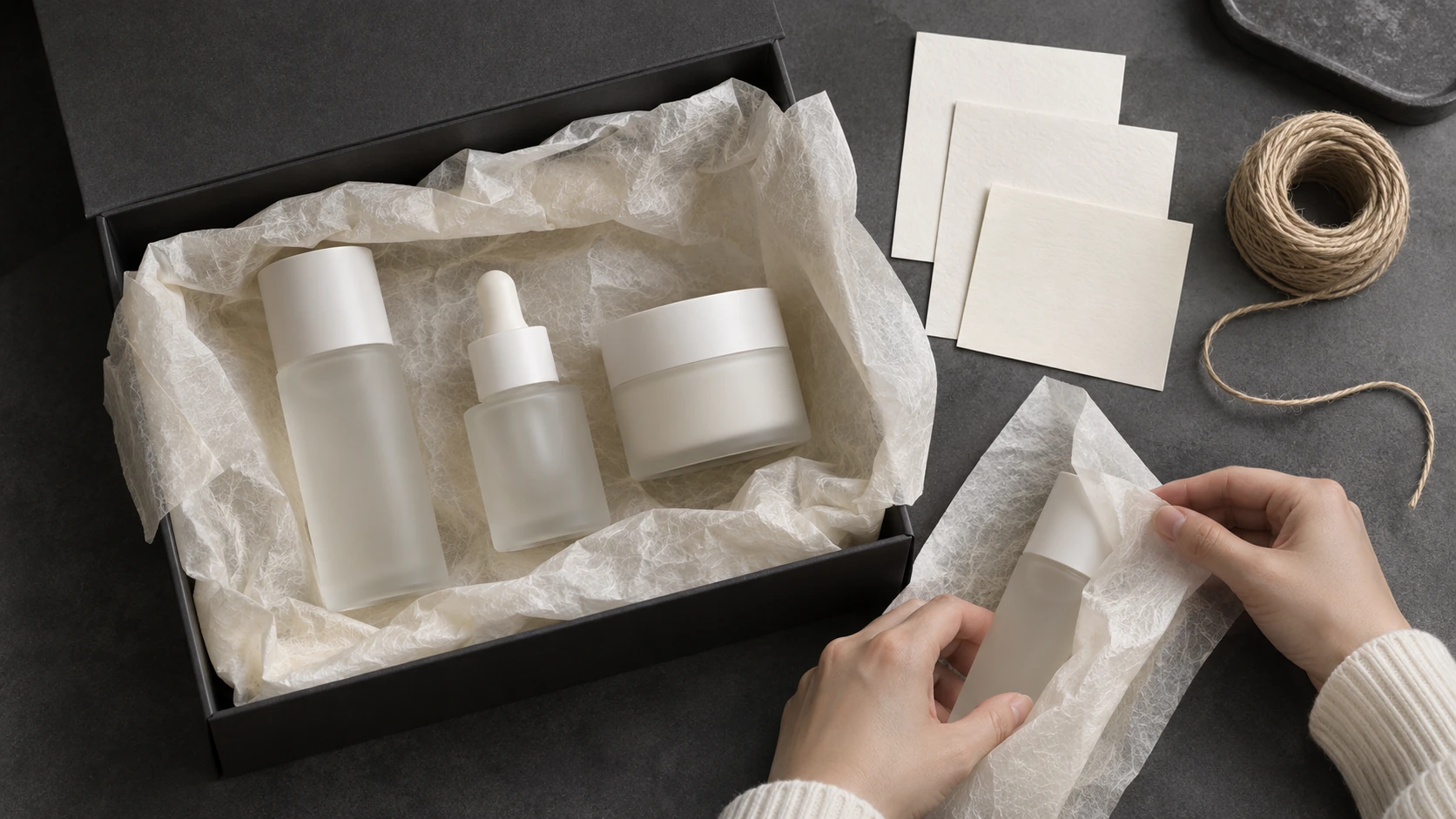
A relevant invitation names the product format, explains why the creator was selected and makes it easy to decline. Include the intended market and enough product information for an informed decision. Ask for delivery details only through an appropriate agreed process after acceptance. Do not send an oversized set simply to make the package photograph look impressive. A focused sample can produce clearer feedback and less confusion about which item the creator is evaluating.
Give the recipient a concise product fact sheet, the manufacturer’s instructions and a contact for product questions. Explain whether feedback is optional, agreed privately or part of a paid scope. If the brand hopes for public content, state that hope without disguising it as a mandatory condition of an unconditional gift. If a post is required, agree the deliverable and compensation explicitly. Good outreach respects the creator’s independence while helping them decide whether the product belongs in their work. The next step should be clear without requiring a long back-and-forth conversation.
| Arrangement | What is agreed | What not to assume |
|---|---|---|
| Unconditional gift | Product offered for consideration | A guaranteed public post |
| Private feedback trial | Questions, timing and feedback format | Permission to publish the feedback |
| Paid creator content | Deliverable, fee and review scope | Unlimited revisions or usage |
| Content licensing | Channels, territory and duration | Rights obtained merely by sending a sample |
Ask for feedback that can change the product story
“Did you like it?” is easy to answer politely and hard to act on. Ask what the creator understood before use, what needed explanation and which information their audience would request. For a scalp product, uncertainty might concern the routine step. For body care, it could be texture vocabulary or pack scale. For a device, questions may need to reach product support. Keep the feedback form appropriate to the actual product rather than copying a generic beauty survey.
Separate the creator’s words from the brand’s interpretation. A comment that an applicator was confusing should become a question about instructions, not a negative label attached to the person. Record the product version and context so a later packaging change does not invalidate the finding. Do not convert private feedback into a public testimonial without permission and accurate context. If someone did not use the product or chooses not to comment, leave that status visible. An honest learning log can be more valuable than a report full of positive quotes with no explanation of who responded.
Preserve disclosure, permissions and a useful follow-up
When gifted products lead to an endorsement, the relationship needs appropriate disclosure. The US FTC influencer guide includes free products among material connections, and YouTube’s branded-content guidance requires creators to identify relevant commercial relationships in video settings. These are specific examples, not a complete worldwide rulebook. Build destination and platform checks into the brief rather than assuming one hashtag solves every situation.
Track distinct states: invited, accepted, delivered, feedback received, content agreed, content published and next action. A shipped package belongs in the delivery column, not the results column. Follow up in a proportionate way that matches the agreement; do not repeatedly chase a post that was never promised. If the fit is strong, propose a separate paid brief with a clear creative objective. If it is weak, use the learning to improve product information or selection. A respectful seeding program can develop relationships over time without claiming the brand owns a creator network it has not built.
Practical questions
Does sending a gift guarantee a creator post?
No. A gift and a commissioned deliverable are different. If content is required, agree the scope, compensation, review process and timing before treating it as a campaign commitment.
Can a brand repost content made after gifting?
Do not assume permission. Ask about the specific use and agree the channels, edit rights, territory and duration. A creator’s public post does not automatically give the brand unrestricted advertising rights.
What is a useful success measure for a learning-focused seeding pilot?
Record relevant participation and actionable learning: which product questions became clearer, what materials need revision and whether a suitable next collaboration emerged. Keep these separate from published content, reach and sales.
Turn this opportunity into a working brief
Review the points below and download a brief for your team. Your notes stay in this browser.
Sources and editorial context
Reviewed November 4, 2026. Dated primary sources support limited context. Campaign frameworks and niche recommendations are original editorial analysis, not measured keyword popularity or guaranteed performance.