
San Francisco Korean Restaurant SEO: How Can Group Dining Searches Become Reservations?
Help group-dining customers assess your San Francisco Korean restaurant with useful group information, clear reservation requests and accurate expectations.
What questions do group-dining customers ask before choosing?
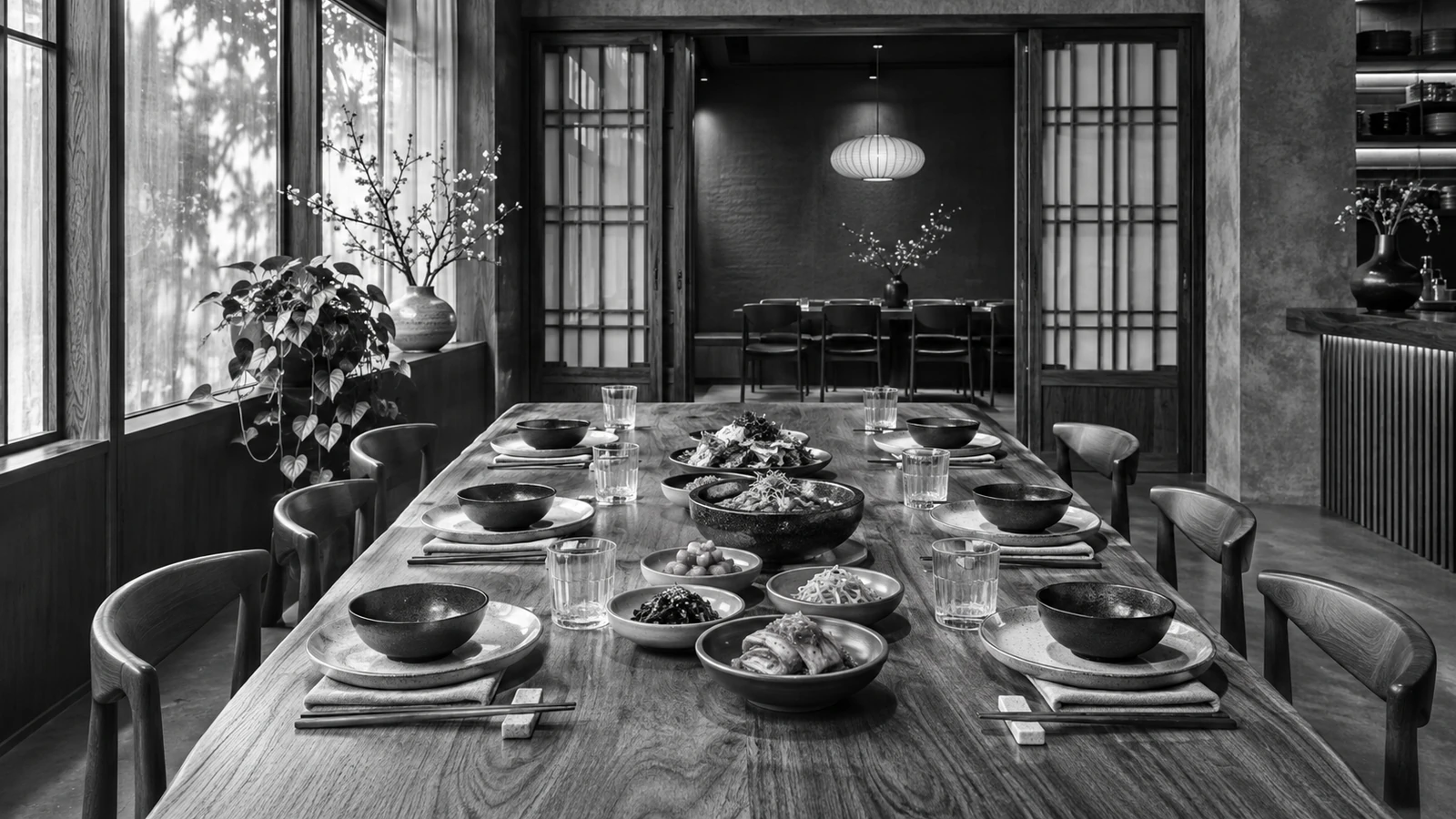
A person planning a team meal may ask about group size, timing, seating arrangements or the way food is served. The restaurant should publish only the arrangements it actually supports and identify what requires staff review. A dramatic dining-room photograph cannot answer these practical questions alone.
Collect recurring inquiries from the team and build a short group-dining explanation. Let the customer understand whether to make a regular reservation or send an event request. Keep the language welcoming without inventing capacity, private rooms or special services.
San Francisco Korean Restaurant SEO decision map
- 01OccasionPublish actual group arrangements
- 02Group fitKeep a short event intake
- 03Reviewed requestDistinguish request and confirmation
- 04Reservation statusTest the mobile path
Publish actual group arrangements
How should a Korean restaurant SEO company map the search intent?
Distinguish a diner looking for a meal tonight from someone planning a group occasion. The second journey needs enough context to assess the event, while the first may need the current menu and immediate booking route. A dedicated group page is useful when it offers real additional information.
Use location references honestly. Explain the restaurant’s actual location and practical arrival details, not an unsupported claim to serve every neighborhood equally. Korean and English visitors should be able to reach equivalent decision information.
Which details should a group inquiry collect?
Ask for the preferred date, time range, approximate group size and the nature of the occasion. Provide room for uncertainty. If the restaurant needs to confirm arrangements, label the action as a request rather than a completed booking.
Keep the inquiry short and preserve its group-dining context for the receiving team. A staff member should see the event information without searching through an unrelated general inbox. Use the decision table to separate ordinary reservations from requests needing additional review.
| Situation | Review | Next action |
|---|---|---|
| Regular meal | Current menu and times | Ordinary booking |
| Group occasion | Date, scale and needs | Group request review |
| Approved event | Confirmed arrangements | Explicit confirmation |
What would a fictional restaurant change first?
Suppose a fictional SF restaurant receives repeated calls about large groups because its website shows only a general booking button. It can add a concise group-dining page with actual arrangements and a reviewed request path. The ordinary booking experience can remain simple.
The example does not assert a change in reservation volume. Its test is whether a visitor can identify the appropriate route and submit the details staff need. Have someone outside the team try that task on a phone before launching a campaign.
How should group-dining marketing be reviewed?
Track received group requests, missing information and whether the restaurant can accommodate the request. Separate page views from reviewed opportunities and confirmed reservations. If inquiries regularly arrive without a date or group range, improve the form or explanation.
Keep current menu and public operating information aligned with the restaurant’s approved sources. Ask staff what remains confusing after the first change. The next improvement should follow that evidence rather than a desire to add another landing page.
Practical questions
Can a Korean SEO agency help my SF restaurant attract group inquiries?
Ask it to map group search intent to useful dining information and a reviewed inquiry. Judge the work by clarity and relevant requests rather than an unverified promise of full tables.
Should a group request automatically reserve a table?
Only an actual reservation process should confirm a booking. If staff need to check arrangements, acknowledge the request and state that confirmation is pending.
Do we need a different menu for every audience language?
The wording may be localized, but the approved food and operating facts should remain equivalent. Have the restaurant verify ingredients and availability instead of inventing explanations.
Turn this opportunity into a working brief
Review the points below and download a brief for your team. Your notes stay in this browser.
Continue the practical journey
Sources and editorial context
Platform references support the specific facts discussed. Business scenarios are illustrative, not client results.