
Korean Travel Creator Partnerships: What Should a Hotel or Destination Put in the Brief?
Plan Korean travel creator partnerships with a clear guest story, filming boundaries, commercial terms, useful deliverables and a realistic measurement plan.
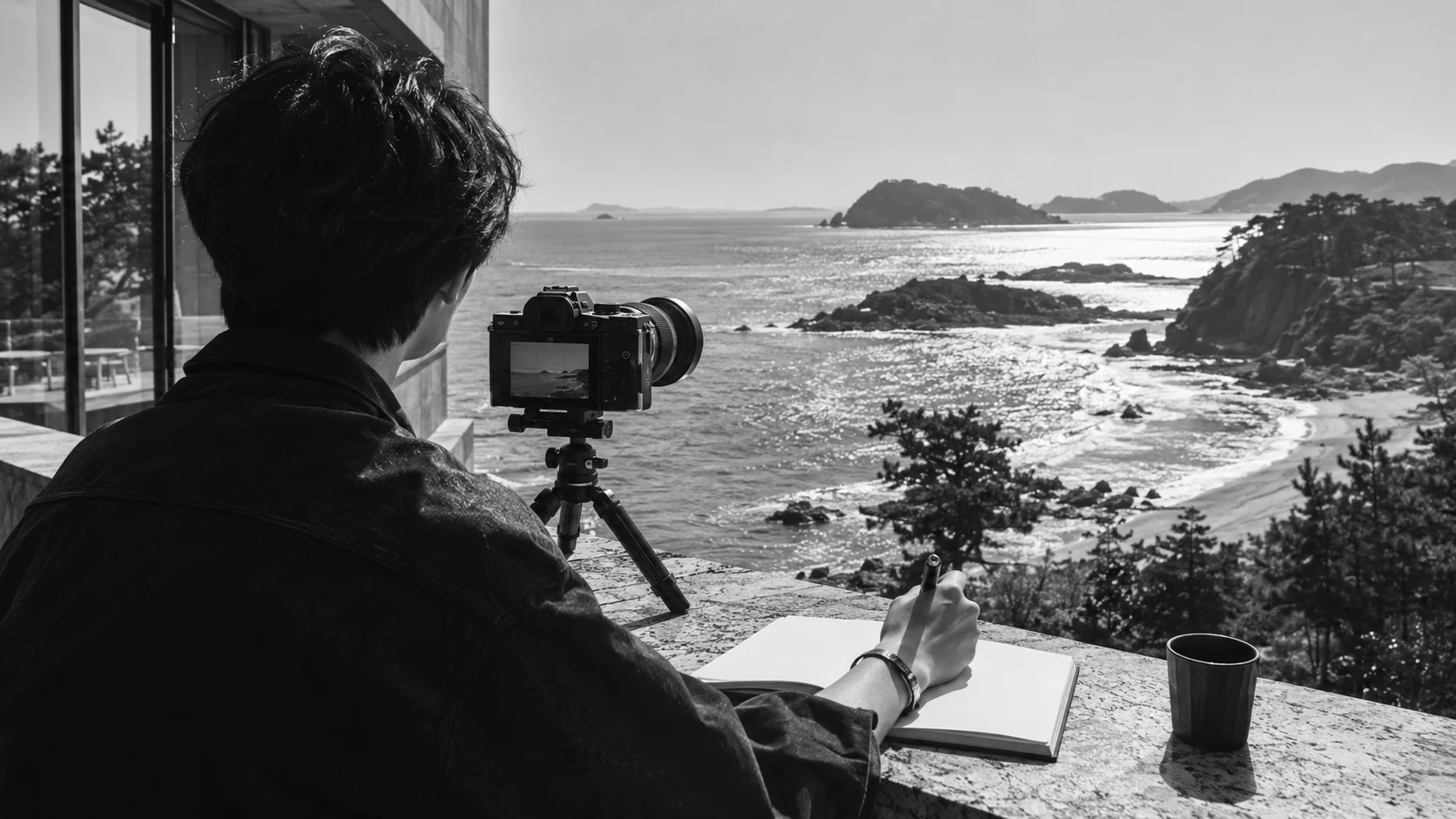
Write the visitor decision before the shot list
“Show our beautiful hotel” is a production request without a decision. A stronger starting point is “help a couple decide whether this property fits a two-night cultural visit without a car.” That statement changes which scenes matter: arrival, neighborhood access, room setup and a realistic evening may become more valuable than a drone shot. Choose one visitor situation and one primary action. The creator can still be inventive, but the story has a practical reason to exist.
Check audience relevance through evidence the creator can reasonably share: audience countries and languages, examples of travel stories, comment quality and experience covering a similar decision. Do not assume that a Korean creator reaches international visitors, or that an international creator’s audience is planning Korea travel. Ask how the proposed story fits the channel’s usual content. A smaller, relevant audience may suit the brief better than a larger one, but no follower threshold proves commercial effectiveness on its own.
The travel partnership brief
A clear brief leaves room for creativity while making the experience, obligations and evidence explicit.
Define the experience and the boundaries of filming
List the dates, room or experience category, included meals, transfers if any and the person responsible for changes. Distinguish a hosted element from a reimbursed expense and from something the creator must arrange. If a weather-dependent activity cannot happen, agree an alternative before travel. Avoid a schedule so full that the creator cannot experience or film the offer honestly. Production time, travel time and guest time are different resources, even when they happen during the same visit.
Mark areas where filming is permitted, restricted or requires additional permission. Include other guests, staff, children, private spaces and neighboring businesses in that discussion. If a venue has no authority to approve a location, it should not promise access in the brief. Give the crew one operational contact who can resolve questions on the day. A camera-free guest area or an agreed quiet period can protect the very atmosphere the campaign wants to communicate. The best frame is not worth disrupting the business.
| Brief component | Specify | Why it matters |
|---|---|---|
| Visitor decision | Audience situation and next action | Focuses the story |
| Hosted experience | Dates, room, meals and exclusions | Prevents mismatched expectations |
| Production boundaries | Locations, consent and quiet windows | Protects people and operations |
| Rights and reuse | Platforms, duration and paid-media scope | Makes commercial use clear |
| Measurement | Links, access to booking data and limits | Separates evidence from assumptions |
Agree deliverables, rights and disclosure without scripting praise
Specify the quantity, format, length where needed, posting window and practical assets the creator will deliver. A campaign might include a story film and an arrival guide, but the right combination depends on the visitor decision. Define factual review, correction deadlines and what happens if essential details change. Do not treat approval as permission to replace an honest opinion with promotional language. A useful review can correct the booking link, room name or inclusion without requiring the creator to claim a feeling they did not have.
Usage rights should describe where the business may show the work, for how long and whether paid advertising or editing is included. Raw footage, music and third-party appearances may have separate restrictions. Put those points into the agreement before production rather than assuming they follow from hosting a stay. For YouTube, the platform’s branded-content guidance requires notification of commercial relationships and reminds partners that applicable legal responsibilities remain. Assign the disclosure task clearly and verify the current rules for each market and platform.
Make the handoff measurable before the creator arrives
Choose the landing page and tracking link before filming so the call to action can be accurate. If a creator describes a particular room or itinerary, link to that offer rather than an unrelated homepage. Test the page on a phone and verify the current availability process. Ask the booking provider which referral details it can preserve; a link click may be all you can observe. Google’s hotel search explanation makes clear that booking links can send guests to a partner site, which is another handoff to check.
Agree a reporting window and the data each party can share. Count content engagement, offer visits and confirmed booking outcomes separately. Do not use a generic conversion rate to turn every view into supposed revenue. A post-campaign review should also ask what visitors misunderstood and which questions the creator heard repeatedly. Store those findings with the next brief. The value of an ongoing partnership is not only another post; it is a more informed account of the experience and a better route for the right guest to choose it.
Practical questions
Does a complimentary stay guarantee a creator will publish?
Do not assume so. Hosting, content production and posting are separate commercial decisions. If publication is expected, agree the deliverables and terms in advance. An invitation without a clear agreement should not be treated as a purchased campaign or a promise of positive coverage.
Should the hotel approve every word before publishing?
Define a proportionate factual review. Check names, inclusions, operational details and agreed disclosure requirements, while preserving the creator’s honest perspective. Clarify correction steps in the agreement instead of using last-minute approval to rewrite the entire story.
What is a useful first creator campaign for a small hotel?
Choose one guest situation and one offer that operations can support. Commission a clear story plus a practical asset such as an arrival or room guide. Start only when the landing page, filming permissions and reporting expectations are ready, then use the results to refine the next collaboration.
Turn this opportunity into a working brief
Review the points below and download a brief for your team. Your notes stay in this browser.
Sources and editorial context
Primary sources checked November 4, 2026. Sector observations are dated; frameworks and recommended tests are C3i3 Korea editorial analysis, not measured query popularity or promised results.