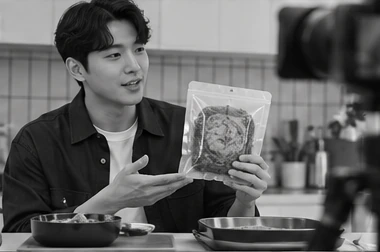
How Korean Brands Can Plan a U.S. Influencer Campaign
Plan the audience, creator fit, product experience, content rights and reporting for a Korean brand’s U.S. influencer campaign.

A Korean manufacturer entering the United States needs more than a translated product pitch. A useful creator campaign connects a specific product, a relevant audience and a practical action viewers can take. Define those three pieces before choosing a famous channel or buying a large content package.
Choose the U.S. customer and first product, research creator audience fit, then agree on content, rights, timing and measurement. Creator location alone does not establish audience location. Start with a focused campaign whose results can inform the next step.
Define the customer and the first offer
Decide who should care about the product and why. A skincare routine, a wellness habit and a home accessory solve different customer needs. Specify the use case, price context and route to purchase.
Make the brand’s current U.S. availability part of the brief. The content should not create an expectation that the product page, delivery information or customer support process cannot meet.
Campaign architecture
Connect the parts around the same audience and the next useful action.
Review the audience behind the creator
Compare language, geography, subject relevance and recent content before follower totals. A creator based in Korea can have an international audience; a U.S. creator may reach a very specific community.
Ask for relevant audience information and examples of suitable content. Separate what the creator confirms from assumptions based on identity, location or a single popular post.
Give the product a workable content format
Choose a demonstration, routine, explanation, commercial or short-form introduction around what the viewer needs to understand. Prepare samples and the product facts that must remain accurate.
A YouTube video, Instagram Reel and supporting product guide can work together, but each needs its own opening, pacing and next step. Avoid treating a horizontal commercial as the finished version for every channel.
| Brief element | Question to resolve | Output |
|---|---|---|
| Product | What should viewers understand? | Approved product facts |
| Audience | Who can act on the offer? | Language and market focus |
| Creator | Why does this channel fit? | Research and confirmed terms |
| Content | Where will it appear? | Formats, dates and rights |
Agree on deliverables and rights
Record the number and format of assets, publication window, review stages and required links. Discuss whether the brand wants organic publication, paid reuse, editing rights or a longer usage period.
Creator participation and commercial terms are confirmed case by case. A list of possible creators is a research deliverable, not a booking or an exclusive roster.
Review results against the original objective
Set the first objective before publication. Awareness, product-page visits, inquiries and confirmed purchases require different evidence and should not be presented as the same result.
Document the material that was published and the data each platform or affiliate program provides. Use that evidence to decide whether to repeat the creator, refine the product story or test another format.
Before commissioning the work
Make this guide your working brief
Tick what you have reviewed, then download your notes for your team. This tool runs in your browser.
A few useful answers
Do you only work with Korean creators?
The starting point is audience and product fit. Korean, Korean American and other relevant creators can be evaluated for an agreed campaign.
Can a U.S. business use the same services?
Yes. Creator campaigns, video and content can also support Korean American businesses with a defined customer and offer.
Sources and editorial note
Original guide prepared with AI assistance. Business examples are illustrative, not client results or binding quotes.