
No Paid Work to Show Yet? 5 Ways to Build a Useful UGC Portfolio
No paid creator work yet? Build five kinds of honest portfolio evidence that show your thinking, filming and delivery without inventing client experience.
Your first portfolio can show a process
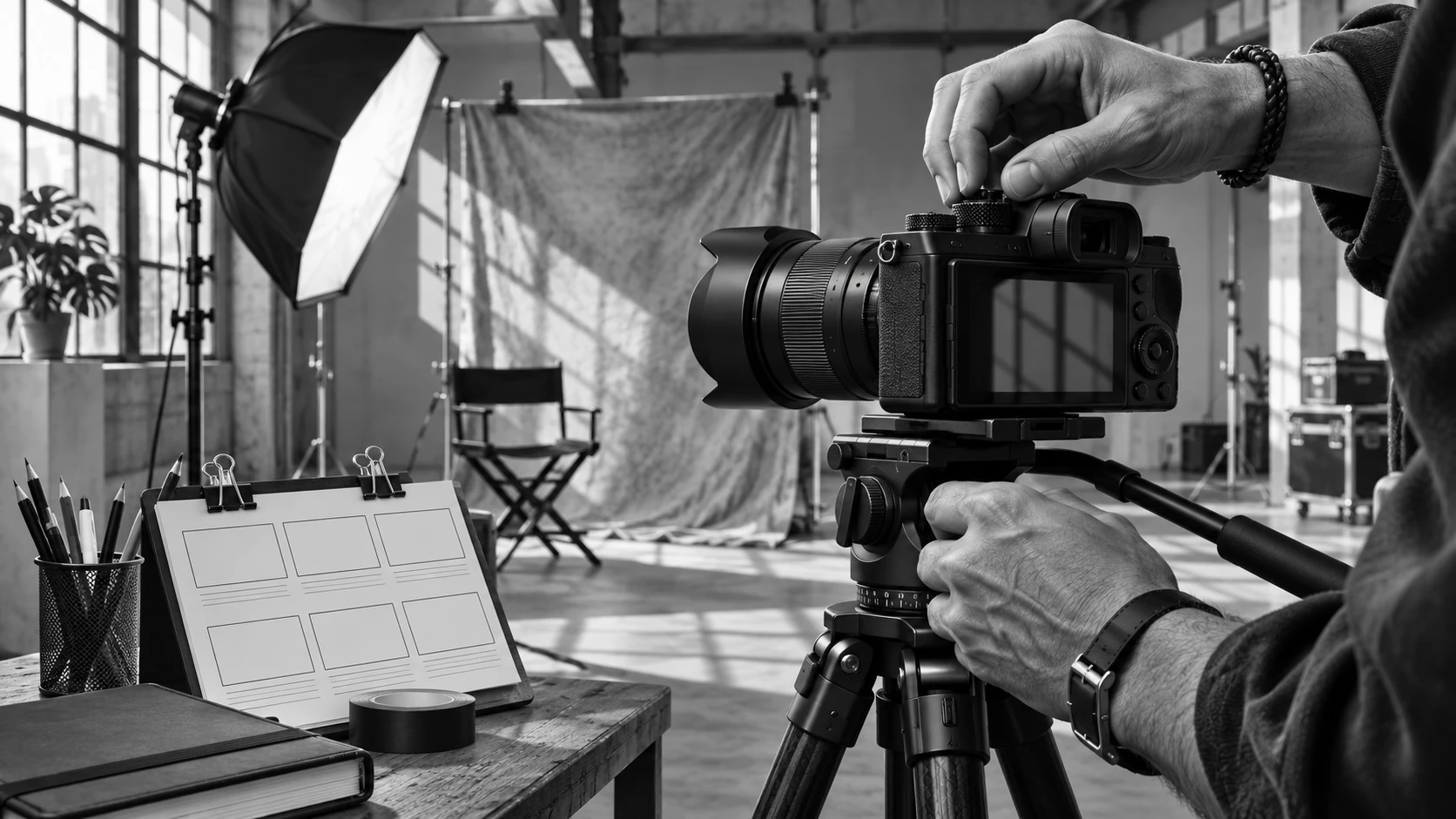
Imagine a campaign asks for examples and your folder contains only personal montages. The footage may be attractive, but it does not show whether you can answer a brief. Start with a self-directed task narrow enough to complete: explain a service process, introduce a space or make a short tutorial using materials you can legitimately film. The sample should show a communication decision, not merely prove that you own a camera.
Meta’s creator marketplace description includes portfolios as a way to present a creator’s work. It does not require you to invent a client history. Keep sample labels visible wherever the work appears. If a piece includes an endorsement or a commercial relationship, review the relevant disclosure guidance. A fictional brief should never become a false story about a completed campaign.
5 practical moves to try
Turn one simple question into an explainer
Choose a question that an actual audience asks and answer it in a short sequence. It could concern how a service visit works, what to prepare for a workshop or how to organize a small creative task. Write the question at the top of your private brief and check every shot against it. The portfolio caption should identify the intended viewer and the communication challenge, not claim that a business hired you or that the video produced sales.
Show a brief and the answer side by side
Invent a clearly labeled practice brief with an audience, a purpose, a format and a practical constraint. Then show the completed piece beside that brief. For example, the constraint might be a silent viewing environment or a single available location. This lets a reviewer see your decisions. Keep the exercise realistic enough to finish well, rather than creating a fantasy campaign whose budget and production conditions bear no relation to the work you can offer.
Create a purposeful variation, not a duplicate
Make two versions that solve different viewing needs, such as a concise introduction and a slower explanation. State what you changed and why: the opening, shot order, pacing or caption density. A second crop alone does not demonstrate a new strategy. By explaining a meaningful variation, you show that you can adapt material thoughtfully without pretending to have run a measured advertising experiment. Keep any performance language separate from the creative rationale.
Document one useful revision
Ask a suitable peer to explain what they understood after watching. Their confusion is useful production feedback, not a scientific audience test. Choose one clear issue, revise the piece and explain the change in your portfolio notes. Maybe a process step was missing or the opening promised a different answer. Showing a thoughtful correction can communicate more professional value than displaying another flawless-looking sample with no context. Do not invent quotations or testimonials from that review.
Package the work like a real handoff
Prepare clean filenames, accessible viewing links and a short note describing the versions. Include your role and label the work as self-directed. Remove private review comments from public files and check that you have permission to use any music, footage or people shown. A portfolio is also evidence of how you communicate. If a reviewer can find the right file without a message thread, you are demonstrating a useful part of the working relationship before a paid project begins.
Show the skill before the client list
A sample is valuable when its purpose and your role are easy to understand.
A small portfolio can still answer a big question
The buyer is asking whether you can understand a purpose and execute reliably. A collection of unrelated experiments can hide that answer. Select a small number of pieces with different jobs, explain the constraints and show what you changed. Use the review table to judge whether each piece adds evidence or simply repeats a visual style. You can expand later when real assignments reveal the skills people actually request.
| Portfolio claim | Visible evidence |
|---|---|
| I can explain clearly | One problem and a coherent sequence |
| I can follow a brief | The task, constraints and delivered answer |
| I can revise thoughtfully | A specific change and the reason |
Practical questions
Can I call practice work a case study?
You can explain a practice project in a case-study structure if the self-directed status is unmistakable. Describe the brief, decisions and output. Do not imply a client relationship, paid commission or commercial outcome that did not happen. Clear labels should remain with the work when it is copied into a deck.
Do I need expensive equipment?
Choose tasks your current equipment can perform well. The portfolio should demonstrate appropriate production decisions, clear communication and reliable delivery. Better equipment may enable a particular format, but it does not replace a usable brief. Avoid promising a technical result until you know your setup can produce it consistently.
Should I use real logos to look established?
Do not use a logo wall to imply clients you have not served. For an independent exercise, choose a format that does not depend on borrowing a company’s identity. If a sample concerns a real business, explain its status accurately and consider the permissions involved before making the work public.
Turn this opportunity into a working brief
Review the points below and download a brief for your team. Your notes stay in this browser.
Sources and editorial context
The portfolio source confirms a presentation mechanism, while FTC guidance supports truthful portrayal of endorsements. The sample-work exercises are original editorial recommendations, not evidence of completed client campaigns.